Traveling to Seoul for aesthetic treatments is an exciting decision — but navigating pricing, choosing the right clinic, and planning logistics in a foreign country can feel overwhelming. This guide covers what you actually need to know: how pricing works, what to watch out for, and how to identify a clinic that's genuinely set up to treat international patients.
How Skin Treatment Pricing Works in Korea
One of the biggest draws of Seoul for medical tourism is the pricing. Because South Korea has an exceptionally high concentration of clinics — and because many leading aesthetic devices are manufactured domestically — treatment prices in Korea are often significantly lower than equivalent procedures in the US, Europe, or Australia, even at premium clinics using the latest technology.
However, "cheaper" doesn't mean the experience is lesser. The competitive market means clinics invest heavily in equipment, training, and patient experience to differentiate themselves.
Laser and Lifting Treatments
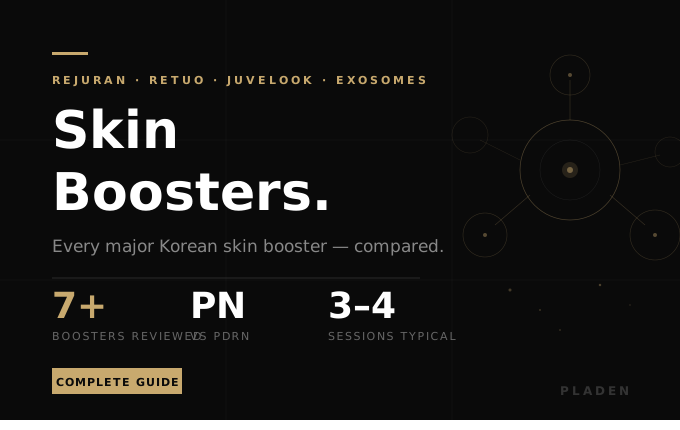
Pricing varies substantially depending on the device and the doctor's expertise. For example, HIFU lifting using the original Ultherapy system is priced differently from Korean-manufactured equivalents like Shurink or Ultraformer — even though the clinical outcomes may be comparable. Many clinics offer bundle packages that combine a lifting treatment with a skin booster session, which reduces the per-treatment cost.
Scar Revision and Pigmentation
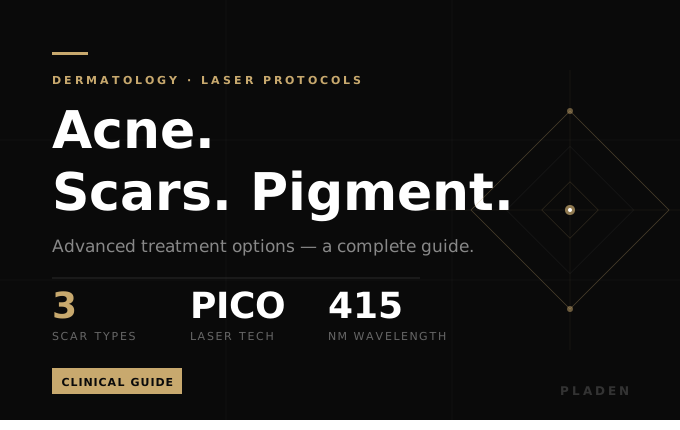
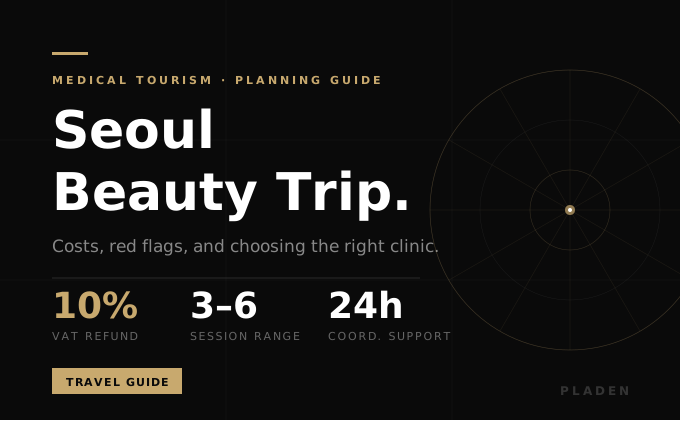
These treatments typically require multiple sessions (3–6) for significant results. When budgeting, calculate the total protocol cost, not just a single session price. Many clinics offer package pricing for international patients that reduces the per-session rate significantly.
💡 Tax refund tip: International visitors can claim a VAT (Value Added Tax) refund at certified medical institutions in Korea. This saves approximately 10% on your total treatment cost. Ask your clinic for a tax refund receipt before your procedure — you'll process the refund at the airport before departure.
Red Flags: What to Watch Out For
Not all clinics in Gangnam are created equal. Here's what experienced medical tourists know to avoid:
- Hidden fees — If the consultation is free but the clinic pressures you into add-ons during the appointment, that's a red flag. Transparent clinics publish price ranges upfront.
- "Ghost doctors" — In some volume-focused clinics, the consulting doctor is not the doctor who performs the procedure. Ask explicitly: "Will you be performing my treatment?"
- No English-speaking medical staff — Basic translation apps are not sufficient for discussing medical history, allergies, and treatment expectations. Look for clinics with dedicated, in-house medical coordinators who speak your language.
- Pressure tactics — "This price is only available today" or "We have one spot left" are sales techniques, not medical recommendations. A reputable clinic will give you time to decide.
What to Look For in a Clinic That Treats International Patients
The clinics that genuinely serve international patients well have invested in systems — not just translated websites. Here's what separates a truly global-ready clinic from one that just happens to accept foreign patients:
- Dedicated international coordinators who manage your entire journey — from initial consultation through post-procedure follow-up, in your language
- Clear treatment protocols explained before you commit — including expected results, recovery timeline, potential side effects, and follow-up care
- Post-return follow-up — How does the clinic handle questions or concerns after you've flown home? Clinics with established telemedicine or messaging systems for international patients demonstrate genuine long-term care
- Board-certified specialists — Verify that the treating physician is a certified specialist (전문의) in the relevant field, not a general practitioner performing aesthetic procedures
At PLADEN, for example, the international patient experience includes dedicated English-speaking coordinators, transparent fixed pricing with no hidden add-ons, and a structured post-treatment follow-up system that continues after patients return home. The clinic was designed from the ground up to serve global patients — not retrofitted with a translated brochure.
💡 Recovery logistics: If your treatment involves downtime (swelling, redness, compression garments), plan your Seoul stay accordingly. Many clinics partner with nearby recovery accommodations and can help coordinate your schedule so treatment timing aligns with your travel plans.
Conclusion
The value of Korean aesthetic treatments is clear — but the value only materializes when you choose the right clinic. Price should be one factor in your decision, not the only factor. Prioritize clinics that offer transparent pricing, qualified specialists, genuine international patient support systems, and clear communication throughout the process.
A thorough consultation with the actual treating doctor — unhurried, in your language, with realistic expectations set — is the strongest signal that you've found the right place.