Chronic breakouts, deep textured scars, and stubborn pigmentation are more than cosmetic concerns — they affect confidence and quality of life. If over-the-counter products and basic facials haven't solved the problem, it's likely because these conditions require clinical intervention at a level that topical treatments simply cannot reach.
Korea has become the global destination for these treatments, and for good reason: the combination of advanced laser technology, experienced dermatologists, and multi-step treatment protocols produces outcomes that are difficult to replicate elsewhere.
Acne Treatment: Beyond Surface-Level Solutions
Korean dermatology clinics take a fundamentally different approach to acne. Rather than prescribing a single medication or performing a basic extraction facial, the standard protocol involves a multi-layered treatment plan that addresses every contributing factor simultaneously.
Step 1: Deep Pore Scaling
Hardened sebum plugs trapped deep within pores are extracted using specialized instruments and gentle suction. This isn't the aggressive squeezing you might associate with "popping pimples" — it's a controlled clinical procedure that clears the pore without causing trauma to surrounding tissue.
Step 2: Chemical Peels and Cell Turnover
Customized chemical peels (often combining salicylic, glycolic, and lactic acids at precise concentrations) accelerate the shedding of dead skin cells. This prevents pore re-clogging and improves the penetration of subsequent treatments.
Step 3: Targeted Bacterial Control
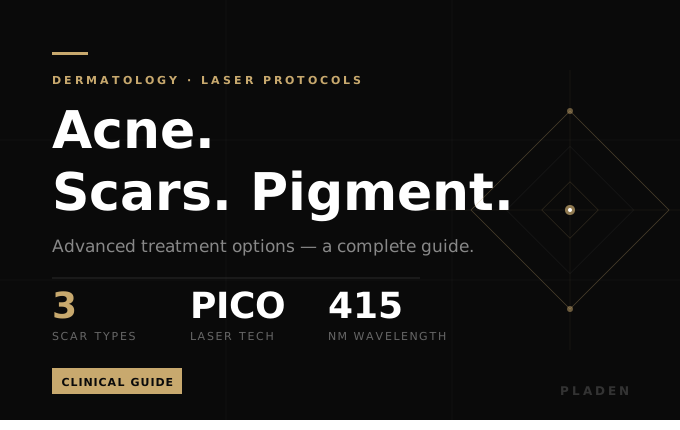
Blue light therapy (415nm wavelength) or IPL (Intense Pulsed Light) targets Cutibacterium acnes, the primary bacteria responsible for inflammatory acne. For severe cystic cases, specialized lasers like the Agnes laser can selectively destroy overactive sebaceous glands — permanently stopping the acne cycle in treated areas without damaging the surrounding skin.
💡 Important distinction: Destroying a sebaceous gland is permanent — that specific gland will not produce excess sebum again. However, acne can still develop in untreated areas if the underlying hormonal or inflammatory triggers persist. This is why comprehensive treatment plans address both local and systemic factors.
Acne Scar Revision: Why One Treatment Isn't Enough
Acne scar treatment in Korea is globally recognized because clinics understand a critical principle: not all scars are the same, and treating them requires different interventions layered together.
Types of Acne Scars
- Ice-pick scars — Narrow, deep, V-shaped. Require punch excision or high-energy fractional laser (CO2 or Er:YAG).
- Boxcar scars — Wide, U-shaped with sharp edges. Respond well to fractional resurfacing combined with microneedling.
- Rolling scars — Broad, undulating depressions caused by fibrous tethering beneath the skin. Require subcision (releasing the scar tissue from below) combined with collagen-stimulating fillers like Juvelook or Sculptra.
The most effective scar revision combines multiple modalities in a single treatment session or across a structured series. For example, a typical protocol might include subcision + fractional CO2 laser + polynucleotide injection — each targeting a different layer and mechanism of the scar.
Pigmentation and Dark Spot Removal
Melasma, post-inflammatory hyperpigmentation (PIH), and sun damage are among the most common concerns for international patients visiting Korean clinics.
Older-generation lasers (like Q-switched Nd:YAG) used thermal energy to break down melanin — but this heat could trigger rebound hyperpigmentation, especially in medium-to-dark skin tones (Fitzpatrick III–V). This is why many patients with darker skin have had bad experiences with laser pigment treatment elsewhere.
Pico lasers (PicoSure, PicoWay, Discovery Pico) represent a significant advancement. Instead of heat, they use ultra-short pulses (measured in picoseconds — trillionths of a second) that generate acoustic shockwaves. These shockwaves shatter melanin into microscopic particles that the body's immune system naturally clears. Because the thermal effect is minimal, the risk of rebound pigmentation is dramatically reduced.
Conclusion
Whether you're dealing with active acne, textured scarring, or stubborn pigmentation, the technology and expertise available in Korean dermatology clinics offers a level of precision that's difficult to find elsewhere. The key is understanding that these conditions rarely respond to a single treatment — the most effective outcomes come from multi-step protocols designed around your specific skin type, scar morphology, and pigmentation pattern.
Individual results vary based on skin type, condition severity, and adherence to the treatment protocol. Consult a board-certified dermatologist for a personalized assessment.